

Solar, storage & software, explained.

Field-tested guides for homeowners going solar and the people who design, sell, and service their systems. Answer first, every claim sourced.

Best Commercial Solar Design Software for Automated Proposals (2026 Buyer's Guide)

Best Commercial Solar Design Software for Automated Proposals (2026 Buyer's Guide)

A buyer's guide to commercial solar design and proposal software for installers who want sizing, financial modeling, and proposal generation to run as one flow. How to score the tools on automation, accuracy, and the sales-to-engineering handoff, with an honest comparison of the main platforms.

Read →
The Best Solar Monitoring App for Homeowners: Tracking Production and Real Savings

The Best Solar Monitoring App for Homeowners: Tracking Production and Real Savings

Most solar apps show you kilowatt-hours and call it a day. The one you want also shows dollars saved against your real rate, flags a dead inverter before you notice, and tells you whether the system is beating the estimate you were sold. Here is what a good homeowner app tracks and how the options compare.

Read →

Designing Commercial Solar-Plus-Storage: Software for Combined Solar and Battery Systems

Designing Commercial Solar-Plus-Storage: Software for Combined Solar and Battery Systems

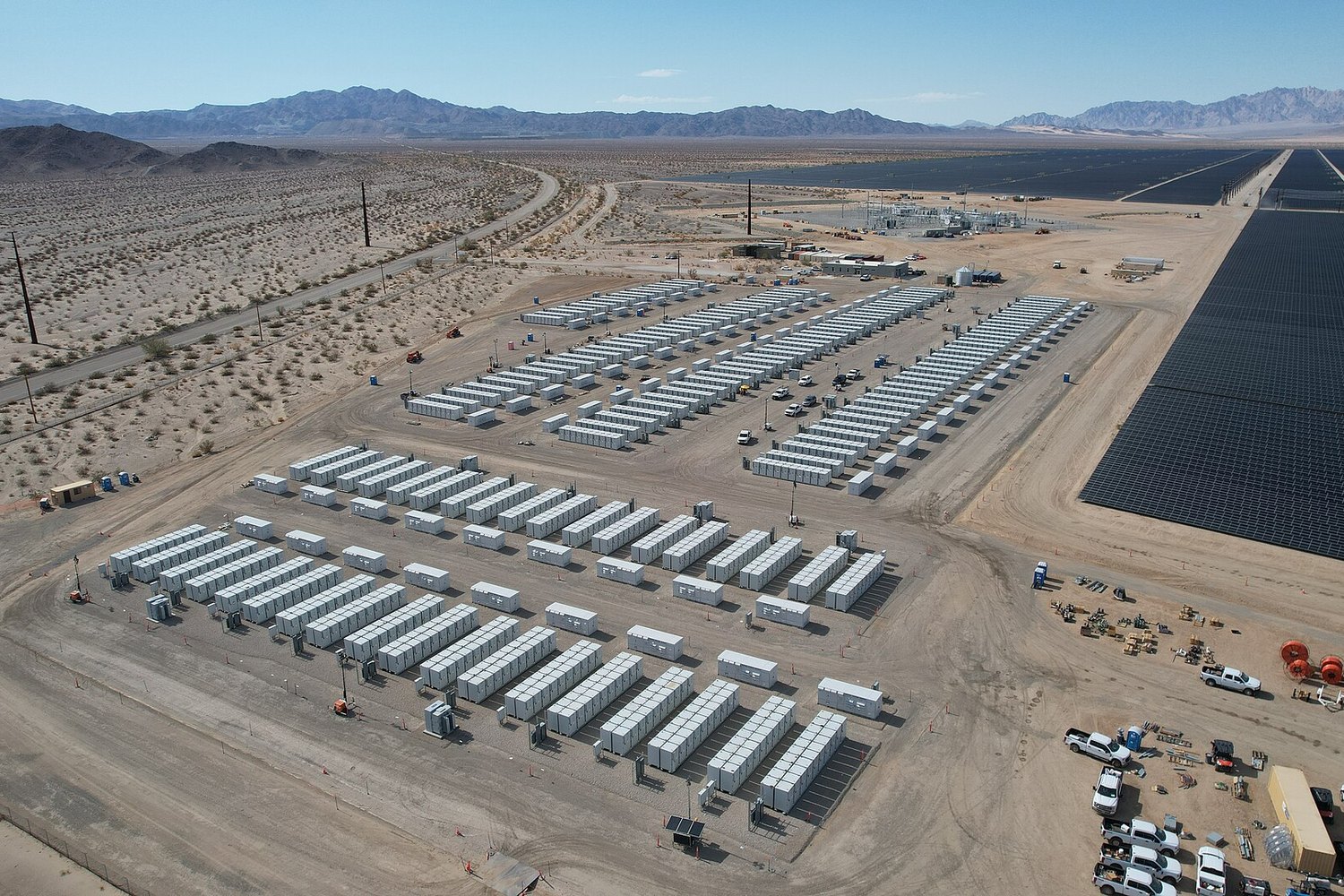
A commercial battery is not an accessory bolted onto a finished solar design. It is a second power source that shares the array's wiring, inverters, and interconnection, and it has to be sized and drawn as part of the same system. Here is how combined solar-plus-storage gets designed, from coupling choice to single-line diagram, and which software carries the whole model start to finish.

Read →
Remote Solar Monitoring That Works Across Every Inverter Brand

Remote Solar Monitoring That Works Across Every Inverter Brand

If your systems run on Enphase in one home, SolarEdge in another, and Tesla or FranklinWH storage somewhere else, you end up living in a stack of brand portals that never agree. Here is how hardware-agnostic monitoring pulls inverter, battery, and utility data into one place, how the integrations actually work, and what breaks when you leave the data scattered.

Read →
Solar Design Software That Integrates With Major Inverter and Panel Manufacturers

Solar Design Software That Integrates With Major Inverter and Panel Manufacturers

A design tool that knows the real electrical specs of the inverters, modules, and batteries you install models production more accurately, builds a correct bill of materials, and carries the same equipment list into monitoring after the system goes live. Here is how to tell deep integration from a logo list, and where Enact and PVComplete fit.

Read →
Solar Fleet Management Software: Real-Time Production Across Every Installation

Solar Fleet Management Software: Real-Time Production Across Every Installation

If you manage dozens or hundreds of solar assets, the tool you pick decides whether you see live production in one place or stitch it together from a drawer of inverter logins. This is a buyer's guide to what a fleet management platform has to do, how the options compare, and how to choose one.

Read →
Best Software for Solar Electrical SLD and Permit Plan Set Generation

Best Software for Solar Electrical SLD and Permit Plan Set Generation

A permit plan set is a packet of drawings an AHJ reviews before a solar job can be built, and the single-line diagram sits at its center. This is what belongs in that packet, why plan sets get rejected, and how software that generates the SLD and the full set cuts correction notices and turnaround time.

Read →
How to Offer Solar Monitoring as a Service to Your Residential Customers

How to Offer Solar Monitoring as a Service to Your Residential Customers

Most installers already have monitoring data flowing in and do nothing with it until a customer calls angry. Turning that stream into a named service, with alerts someone owns, savings reports the homeowner reads, and an annual check-in, is how post-install monitoring becomes a retention and referral engine instead of a cost center.

Read →
Solar CAD Software for Detailed Rooftop and Ground-Mount Layout With Electrical SLD

Solar CAD Software for Detailed Rooftop and Ground-Mount Layout With Electrical SLD

A web proposal tool draws a system good enough to sell. Engineering needs more: dimensioned layouts across rooftop, ground-mount, carport, and sloped roofs, real setbacks and row spacing, racking, and an electrical single-line diagram in the same drawing. Here is where the sales tool stops and true CAD starts.

Read →
How to Monitor Solar Panel Health Remotely and Catch Degradation Early

How to Monitor Solar Panel Health Remotely and Catch Degradation Early

A failing solar system rarely stops. It quietly makes less, and the loss hides inside a monthly bill until it adds up to real money. Here is how remote monitoring catches underperformance early, by comparing estimated against actual output, weather-normalizing the comparison, and reading per-string data and offline alerts before a fault becomes a repair bill.

Read →
Generating Code-Compliant Solar Designs With Automatic Engineering Calculations

Generating Code-Compliant Solar Designs With Automatic Engineering Calculations

A plan set is code-compliant when the conductor and overcurrent sizing, voltage drop, rapid shutdown, labeling, and structural attachment all hold up under the National Electrical Code. Here is what each of those checks means and how software that runs the calculations and error-checks the drawings cuts plan-check rejections.

Read →
How to Track Your Residential Solar ROI Over Time

How to Track Your Residential Solar ROI Over Time

Your installer quoted a payback period before you signed. This is the other question, the one that shows up in year three: is the system actually paying off? Here is how to track realized solar ROI year over year, turning real kilowatt-hours into dollars saved against what you paid, and why a dashboard beats a spreadsheet for it.

Read →
How to Automate Solar System Sizing and Financial Modeling for Customer Proposals

How to Automate Solar System Sizing and Financial Modeling for Customer Proposals

Most of the hours behind a solar proposal go into rework that software can do in seconds: turning a bill into a load profile, sizing panels and a battery, and building a cash, loan, and PPA comparison. Here is how to automate the path from a customer's usage and rate to a client-ready proposal, and which steps still need a person.

Read →
Battery Storage for Commercial Demand-Charge Management

Battery Storage for Commercial Demand-Charge Management

Your commercial bill shows a four-figure demand charge set by a fifteen-minute spike you barely remember. Here is what demand charges measure, how a battery shaves the peak that drives them, how to size storage to your load profile, and why the savings live or die on your specific tariff.

Read →
Why Accurate Solar Savings Estimates Need Built-In Utility Rate Databases

Why Accurate Solar Savings Estimates Need Built-In Utility Rate Databases

A solar savings estimate is a bill calculation, and a bill is built from a rate structure, not a flat price per kilowatt-hour. Here is how tiered rates, time-of-use periods, demand charges, and net billing move the savings number, and why a design tool needs current utility rate data to get it right before closing.

Read →
Cloud-Based Solar Design: Shading Analysis, Code-Compliant Layouts, and ROI Proposals

Cloud-Based Solar Design: Shading Analysis, Code-Compliant Layouts, and ROI Proposals

A browser-based design platform can turn an address into a shaded layout, a code-aware array, and a proposal a homeowner understands, all before anyone drives to the site. Here is what cloud design does well for fast residential and small-commercial work, and the point where you still graduate to CAD.

Read →
Solar for Multifamily Buildings: Virtual Net Metering and Tenant Billing

Solar for Multifamily Buildings: Virtual Net Metering and Tenant Billing

A multifamily building has one roof and many meters, which breaks the simple home-solar model. Here is how virtual net metering allocates solar credits across tenant units and common areas, how master-meter and individually metered buildings differ, who actually benefits, and why you have to confirm the rules with your own state and utility.

Read →
How to Size and Model a Commercial Solar System

How to Size and Model a Commercial Solar System

A commercial array is sized from the building's load and rate structure, not from the square footage of the roof. Here is how to read interval data and a tariff, size to energy and demand, model production honestly, and turn the result into a financial picture.

Read →
Fleet Monitoring for Solar Installers: An Operations Playbook

Fleet Monitoring for Solar Installers: An Operations Playbook

Running monitoring across hundreds of systems is an operations problem, not a dashboard. Here is what to watch, how to set thresholds that avoid alarm fatigue, how to triage a fault, and when to roll a truck.

Read →

How Accurate Shading Analysis Wins More Solar Deals

How Accurate Shading Analysis Wins More Solar Deals

Two reps quote the same roof. One eyeballs the trees. The other runs a year-round shade model and quotes a smaller, honest number. The honest rep wins the deal and keeps the customer. Here is why shade accuracy is a closing tool, not a back-office detail.

Read →
Will Solar Work on My Roof? Shading, Orientation, and Condition

Will Solar Work on My Roof? Shading, Orientation, and Condition

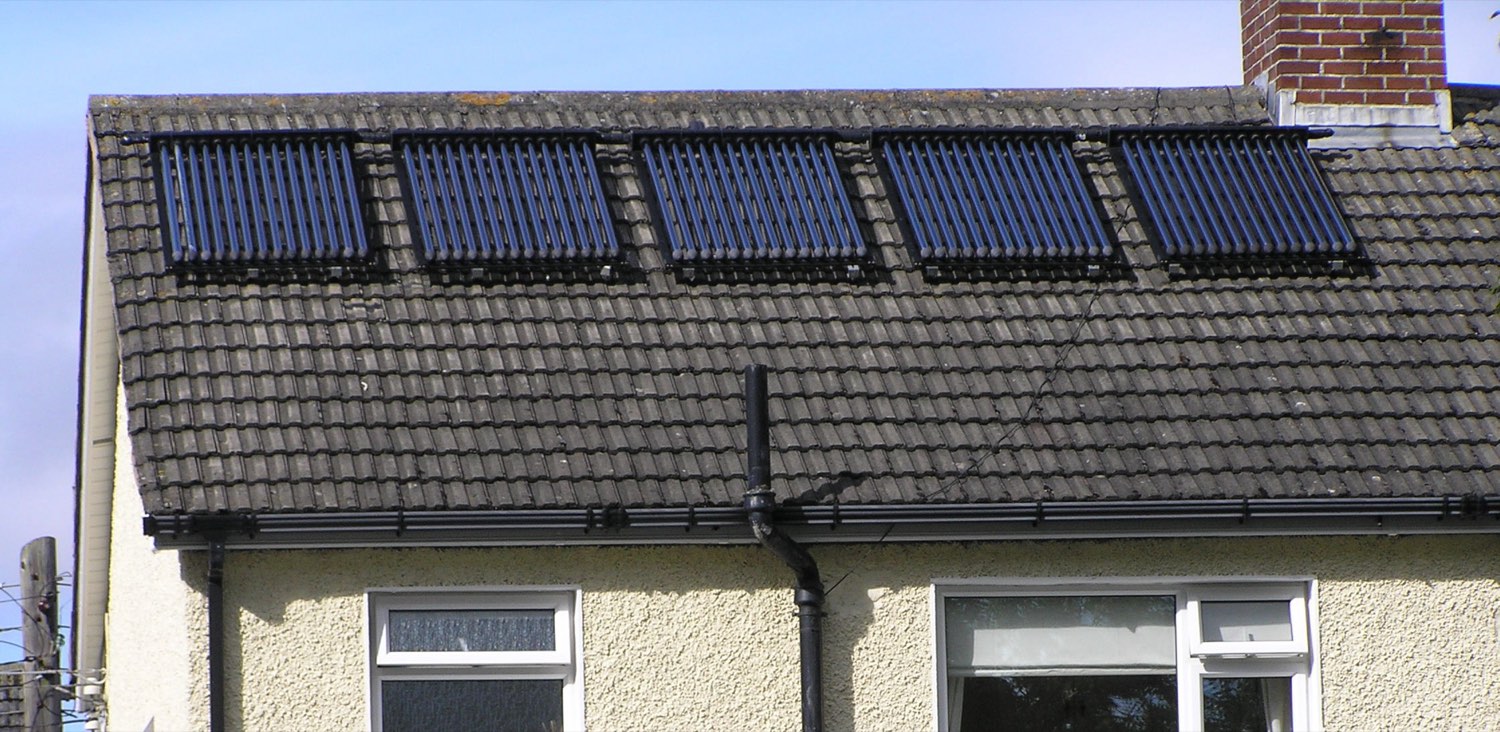
Before you book a single quote, you can tell a lot about whether solar fits your roof by walking it yourself. Here is what direction, tilt, shade, usable area, and roof age actually do to production, and how designers check it all from a desk.

Read →

The Federal Solar Tax Credit in 2026: How to Actually Claim It

The Federal Solar Tax Credit in 2026: How to Actually Claim It

You keep hearing about a 30% tax credit for solar, but nobody explains how you actually get it. Here is the plain version: what qualifies, how the basis works when you add a battery, the form you file, and the mistakes that cost people money.

Read →
Solar Financing in 2026: Cash vs Loan vs Lease vs PPA

Solar Financing in 2026: Cash vs Loan vs Lease vs PPA

A dealer hands you a cash price and a "$0 down, low monthly" offer, and you cannot tell which is cheaper. Here is how cash, a solar loan, a lease, and a PPA really compare on upfront cost, lifetime price, who keeps the 30% credit, and what happens when you sell.

Read →

Reading Your Solar Monitoring App: What the Numbers Actually Mean

Reading Your Solar Monitoring App: What the Numbers Actually Mean

It is a gray week, you open the solar app, the production number looks terrible, and your stomach drops. Before you call the installer, here is how to read what the app is actually telling you: production, consumption, self-consumption, export, and the three dips that are worth a phone call.

Read →

How Solar and Battery Storage Actually Work Together

How Solar and Battery Storage Actually Work Together

Follow a real home through one day and the solar-plus-battery system stops being a mystery. Here is how panels, inverters, a battery, and the grid hand power back and forth, hour by hour.

Read →

How Much Can You Really Save With Solar in 2026?

How Much Can You Really Save With Solar in 2026?

A homeowner can usually save tens of thousands of dollars over a solar system's 25-year life, but the real number depends on your rate, your offset, and how you pay. Here is how to estimate it from your own bills.

Read →

Do I Need a Battery With My Solar Panels?

Do I Need a Battery With My Solar Panels?

Whether you need a battery depends on outages and your net-metering rules, not on solar alone. Here is when storage pays off and when panels by themselves are the better buy.

Read →
Solar Panel Payback Period, Explained With Real Numbers

Solar Panel Payback Period, Explained With Real Numbers

The clearest way to compare two solar quotes is payback: net cost divided by annual savings. Here is the formula, a worked example on a $30,000 system, and why a lease never pays back.

Read →
How to Read a Solar Proposal: A Homeowner's Checklist

How to Read a Solar Proposal: A Homeowner's Checklist

You have two or three solar quotes and they look nothing alike. One leads with a small monthly payment. Another shows system size, production, and price. Here is how to line them up and read what actually matters.

Read →
Net Metering in 2026: What Changed and What It Means for You

Net Metering in 2026: What Changed and What It Means for You

You keep hearing net metering is going away. Here is the honest version: what changed, why net billing now rewards storage and self-consumption, and how to read your own utility's tariff before you buy.

Read →
Home Electrification 101: Where Solar, Heat Pumps, and EVs Fit

Home Electrification 101: Where Solar, Heat Pumps, and EVs Fit

A homeowner's guide to going all-electric in the right order: seal and insulate first, add solar early, then a heat pump and heat-pump water heater, induction, and finally an EV and charger. Sizing solar for tomorrow's loads is the move that makes every later upgrade cheaper to run.

Read →
Solar + Storage for California Homeowners: The NEM 3.0 Guide

Solar + Storage for California Homeowners: The NEM 3.0 Guide

A straight-talk guide to NEM 3.0 for California homeowners: why exports now pay little, why a battery for self-consumption usually brings strong savings back, and how to size storage to the 4-9 pm peak.

Read →
What Makes an Accurate Solar Design? A Field Guide for Installers

What Makes an Accurate Solar Design? A Field Guide for Installers

Accuracy in a solar design is not a drafting nicety. It is the difference between a job that holds its margin and one that bleeds out in change orders, truck rolls, and production disputes. Here is the field guide to the five inputs that decide it.

Read →
Commercial Solar Proposals That Close: Modeling ROI the Right Way

Commercial Solar Proposals That Close: Modeling ROI the Right Way

A commercial solar proposal wins or loses on the numbers a CFO already trusts. Here is how to model IRR, NPV, payback, and after-tax cash flow, stack the federal ITC with MACRS depreciation, compare cash vs loan vs PPA, and price the rising cost of doing nothing.

Read →